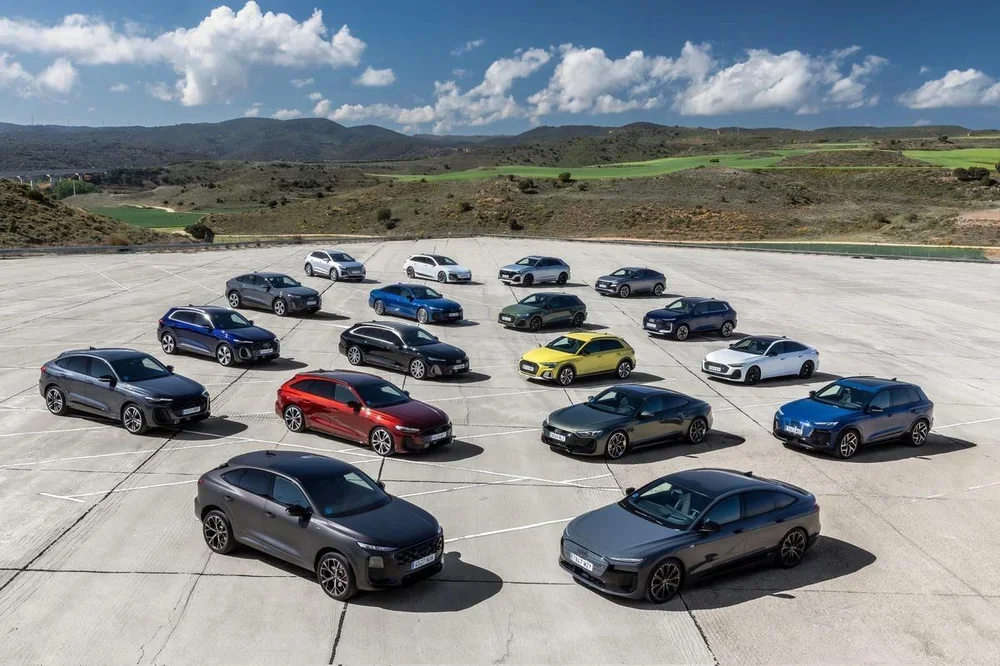

Electrification is here to stay, and the premium segment is embracing it without hesitation. Audi has built its future on two key pillars: maximum flexibility with plug-in hybrids (PHEVs) and cutting-edge technology with its fully electric e-tron models (BEVs).
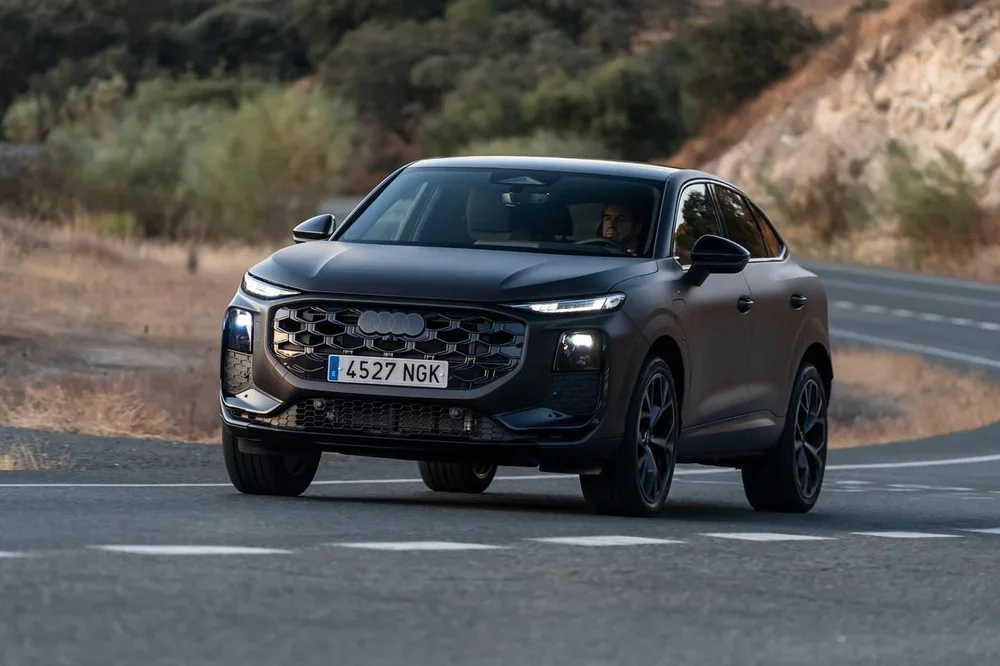
The plug-in hybrid family has undergone a generational leap, integrating high-density batteries that deliver over 100 kilometers of electric range across most models. The Audi A3 Sportback TFSIe leads with up to 142 km of EV range and power outputs ranging from 204 hp to 272 hp in its sportiest variant. Stepping up, the new Audi A5 and A6 e-hybrid, along with the Q3 and Q5 SUVs, combine 2.0-liter TFSI engines with electric motors producing up to 105 kW, achieving system outputs of up to 367 hp. The pinnacle of this technology is the Audi RS 5, the first plug-in hybrid from Audi Sport, delivering an impressive 639 hp and accelerating from 0 to 100 km/h in just 3.6 seconds.
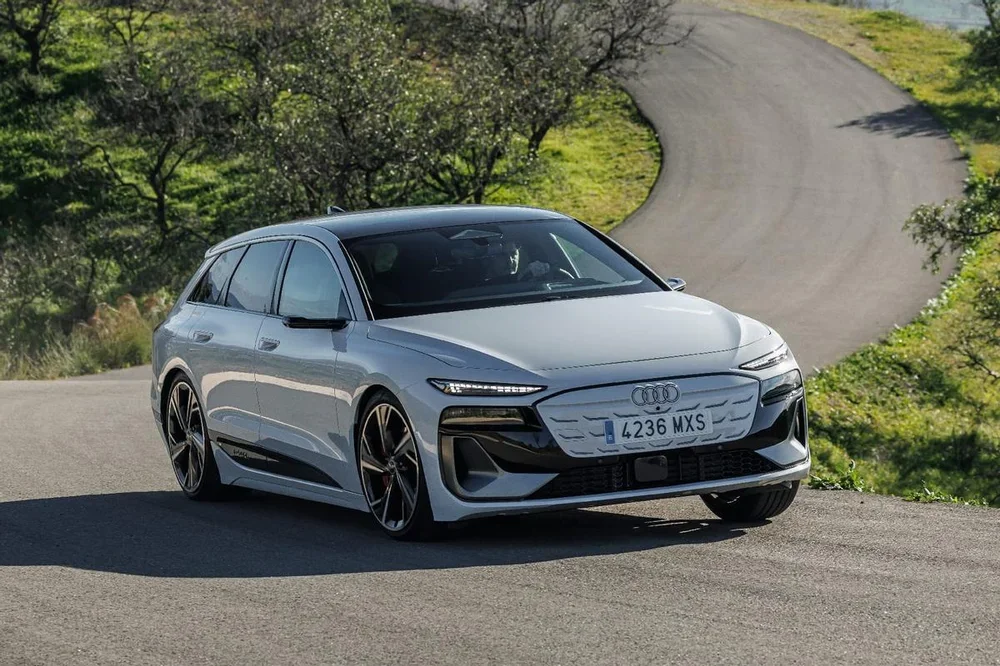
The plug-in hybrid range has made a generational leap by incorporating higher energy density batteries, enabling electric ranges beyond 100 kilometers in nearly every model.
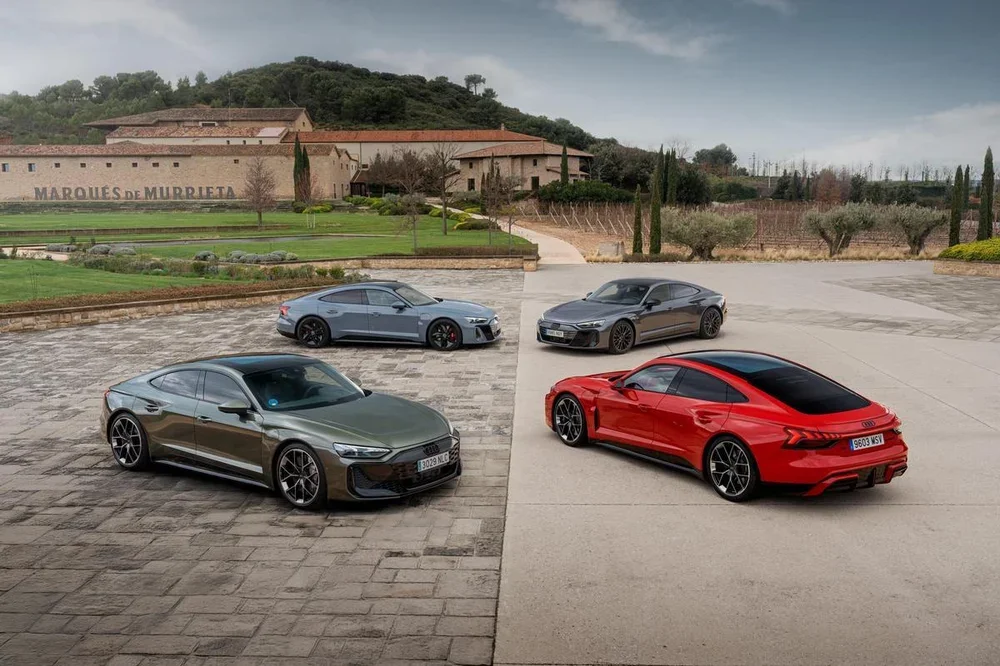
Meanwhile, the e-tron lineup represents the ultimate expression of local zero-emission mobility, built on dedicated platforms such as the 800-volt PPE. The Audi Q4 e-tron remains the best-seller, offering up to 592 km of range and 165 kW charging capability. However, the new efficiency benchmarks are the A6 e-tron and Q6 e-tron: the sedan achieves a record 773 km of range, while the Q6 e-tron Performance SUV reaches 678 km. Both models boast an astonishing charging speed of up to 270 kW, allowing 310 km of range to be recovered in just 10 minutes. At the top of the range sits the Audi e-tron GT, whose RS Performance variant delivers 925 hp, making it the most powerful production car in Audi’s history.
The e-tron family represents the culmination of local emission-free mobility.
Audi’s electrification strategy leaves no gaps. Plug-in hybrids offer a logical transition, with electric ranges that make the combustion engine unnecessary for daily driving, while the e-tron range proves that electric cars can be both practical and thrilling. The key is rapidly advancing charging technology—faster, and increasingly faster.