


Avocado: a special food for athletes
/ MARCO AGENCY

David Boti
Summer changes many things: training schedules, hydration habits, what you eat at home and what you order on the terrace. But amidst all these routine adjustments, there’s one body system that almost no one considers, yet it can make a huge difference in how you feel while running, cycling, or climbing a mountain pass: the gut.
Digestive health has been gaining ground in scientific literature for years, and more and more amateur and professional athletes are paying attention to what happens in their microbiota. Dietitian-nutritionist Patricia Ortega, who specializes in digestive pathology, explains it precisely: “When we talk about gut health, we’re not just talking about having good bowel movements. We’re talking about a set of key functions: good digestion and nutrient absorption, adequate intestinal transit, an intact intestinal barrier, and a balanced microbiota. All of this influences immune function, inflammatory regulation, and how we feel overall.”
For someone who runs or does trail running, that’s no small detail. A poorly functioning gut translates into less energy, poorer recovery, and a greater sense of heaviness. And in summer, risk factors multiply: schedule changes, more meals out, worse hydration, and sleep disruptions. “All these factors can alter intestinal rhythm and encourage discomfort like bloating, constipation, or diarrhea, especially during travel or sudden routine changes,” Ortega adds.
### Fiber: The Overlooked Nutrient in Athletes’ Diets
If there’s one nutrient that most people don’t consume enough of, it’s fiber. In Europe, adults should take at least 25 grams per day, but the actual average is between 16 and 24 grams. This difference, accumulated over time, has direct consequences on microbiota and digestive performance.
“Its role goes beyond digestion: certain fibers are fermented by the gut microbiota and produce compounds like short-chain fatty acids, which help maintain the health of the intestinal mucosa and modulate metabolic and immune processes,” explains Patricia Ortega.
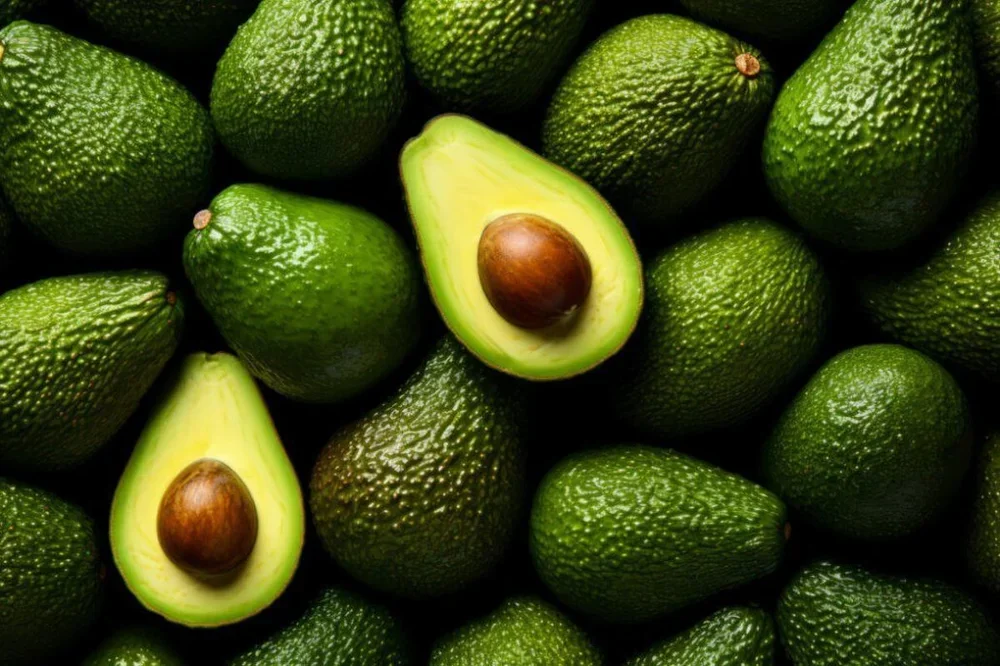
Archive – Avocados.
/ LA UNIÓ – Archive
In this context, avocado emerges as a concrete and practical ally. With between 6 and 7 grams of fiber per 100 grams, it’s one of the most complete foods that can be added to the diet without much effort. “Avocado combines fiber and mostly monounsaturated fats, an unusual combination in a single food. From a digestive standpoint, it can help make it easier to reach the daily total fiber intake, which is positive for intestinal transit and microbiota,” the nutritionist notes.
### Taking Care of Your Microbiota Doesn’t Have to Be Complicated
The microbiota isn’t just a collection of bacteria: it’s a complex ecosystem that interacts with the immune system, regulates inflammatory processes, and influences how the body responds to exertion. An impoverished microbiota, typical of diets high in ultra-processed foods and low in vegetables, limits nutrient absorption capacity and slows down recovery processes.
“Rather than looking for a miracle food, the important thing is to maintain a diet rich in vegetables, legumes, fruits, nuts, seeds, and whole grains on a regular basis,” Ortega reminds us. Avocado fits well into this pattern: it’s versatile, satiating, and easy to include in salads, creams, or cold dishes that are especially appealing during the hot months. “It doesn’t cure digestive problems on its own, but it can be a useful, practical, and nutritionally valuable food within a healthy and varied diet, especially in summer, when lighter preparations are more appealing.”